Fire Damage Restoration in St. Louis, MO.
Earth's Solutions Environmental is fully licensed and bonded to assess smoke penetration, remove hazardous residue, and restore fire-damaged residential and commercial properties across St. Louis and the surrounding metro area.
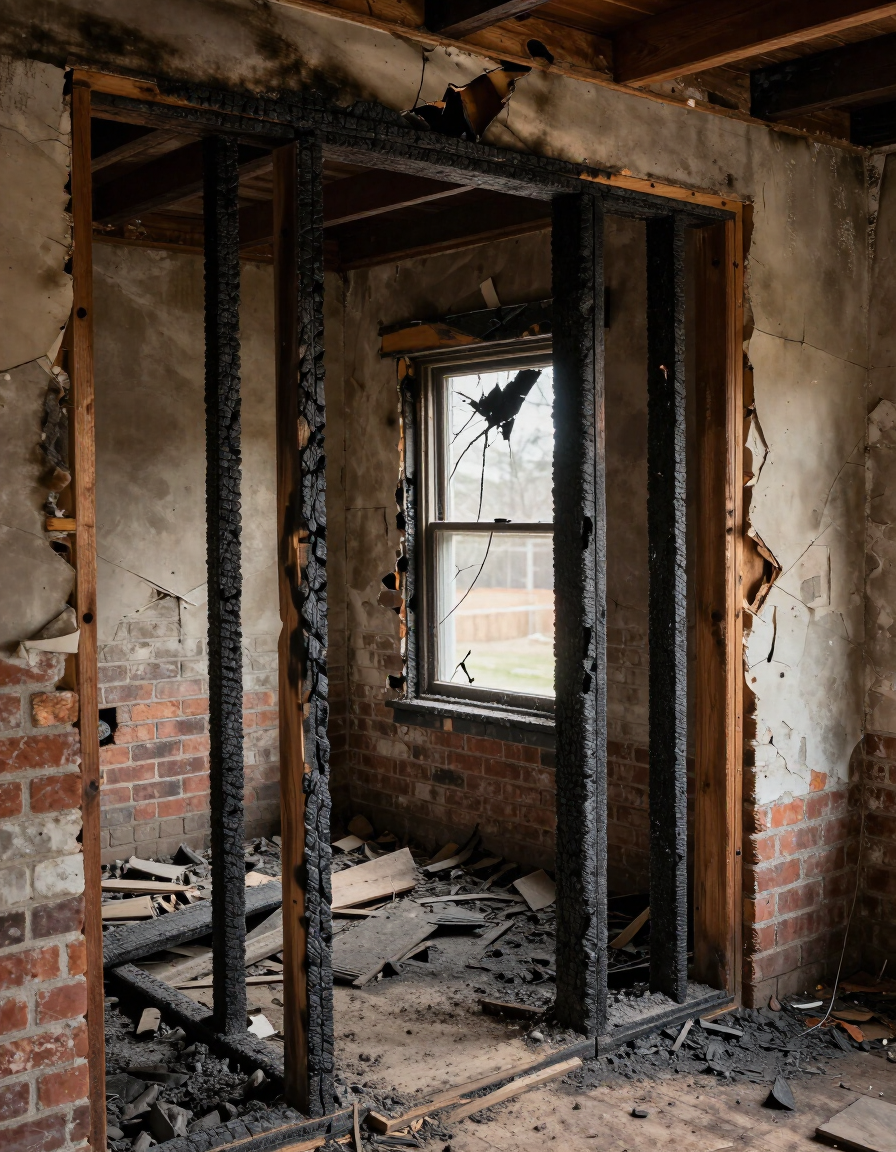
Fire Damage Goes Deeper Than the Burn Zone
Earths Solutions Environmental Services LLC is a fully licensed and bonded environmental services contractor based in St. Louis, Missouri, providing fire damage restoration, including smoke assessment, soot and toxic residue removal, structural stabilisation, and full property restoration, for residential and commercial clients across the St. Louis metro and southwestern Illinois since 2013.
Smoke travels through wall cavities, HVAC ductwork, ceiling voids, and plumbing penetrations far beyond the room of origin. A contained kitchen fire can deposit smoke residue inside wall assemblies, in attic insulation, and throughout return-air systems across the entire structure. Rooms with no visible burn damage frequently test positive for elevated soot and VOC levels.
Dry soot from fast-burning fires is easier to remove, while wet or oily soot from slow-smouldering fires, synthetic materials, or electrical events behaves differently. Treatment method depends on correctly identifying residue chemistry. The wrong approach spreads residue rather than removing it.
Fire weakens load-bearing elements including wood framing, engineered lumber, and masonry mortar joints. Structural assessment must be completed before remediation work begins, because disturbing a compromised element without confirming its load status is a safety risk for workers and occupants alike.
Fires involving synthetic materials such as carpet, insulation, wiring, and vinyl release toxic byproducts, including VOCs absorbed into porous surfaces, carbon monoxide residue, and hydrogen chloride compounds in soot from PVC. These require specific licensed treatment protocols, not general cleaning products.
How We Restore Fire-Damaged Properties
Every fire damage project follows a defined sequence. Skipping steps, particularly the initial assessment and hazardous residue identification, leads to incomplete remediation and recurring air quality and odour problems. Here is how the work proceeds from first contact to close-out.
Free On-Site Assessment
We walk the full property, not just the burned area, documenting smoke penetration routes, structural conditions, and hazardous residue types before any cost or scope is discussed. You receive a written assessment.
Structural Safety Check
Before remediation crews disturb any wall, ceiling, or floor system, we confirm which structural elements are stable and which require support or removal. No structural work proceeds without a load-bearing assessment.
Hazardous Residue Removal
Soot, char, and toxic combustion byproducts are removed using methods matched to the residue type, HEPA vacuuming for dry soot, chemical sponge treatment for oily residue, wet-process methods where surfaces allow. Contaminated debris is disposed of under hazardous materials protocols.
Smoke and Odour Treatment
Smoke odour that is not treated at the source, inside wall cavities, in ductwork, on porous surfaces, resurfaces long after surface cleaning looks complete. We treat residue where it actually sits, not only where it is visible.
Structural Remediation and Restoration
Compromised framing, drywall, insulation, and mechanical systems are removed and replaced to current building standards. The property is returned to a safe, habitable condition before we close out the project.
Insurance Documentation
We document each phase with written scope, photographs, and completion records. This is the material insurance adjusters require when reviewing a fire damage restoration claim, and we compile it throughout the project, not at the end.
Surface Cleaning Alone Does Not Remove Fire Damage
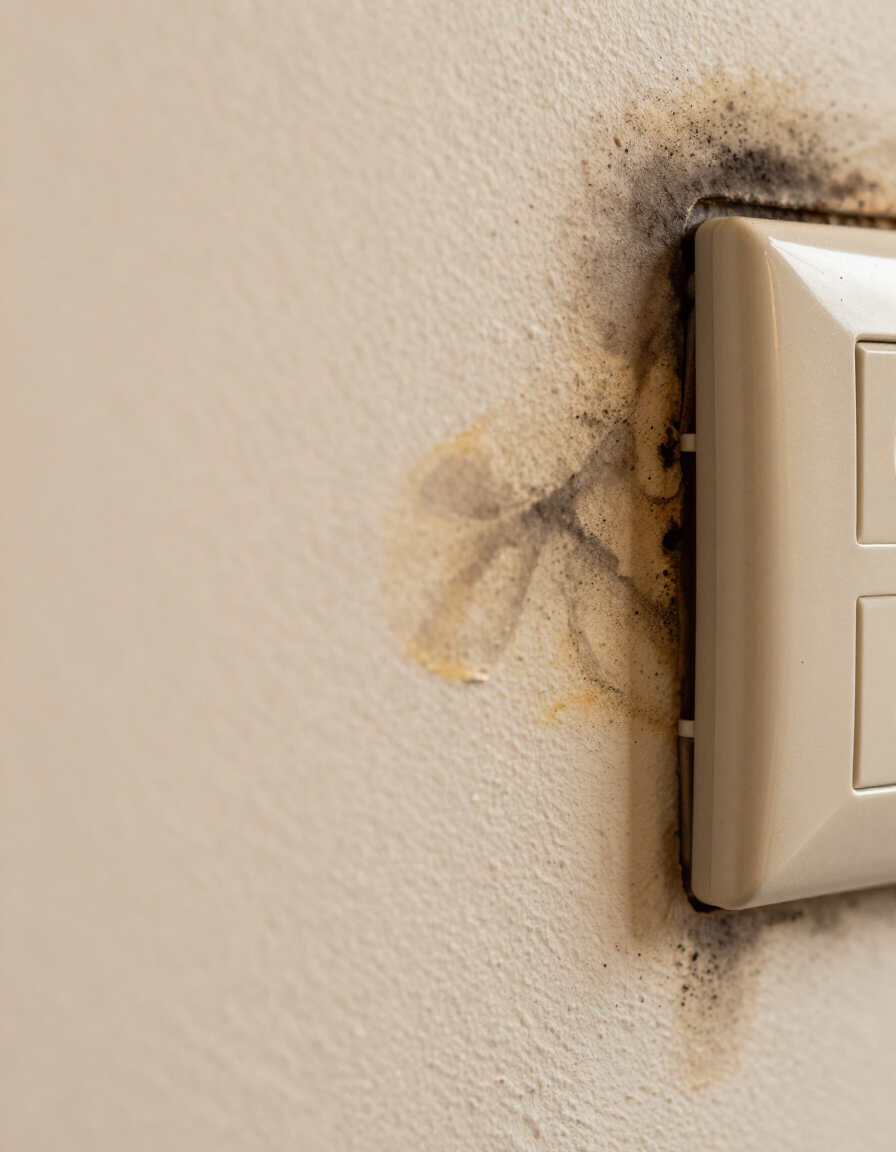
Smoke particles are measured in microns and travel through gaps in drywall construction, electrical boxes, plumbing penetrations, and return-air grilles. A property can carry elevated soot and VOC levels in rooms showing no visible fire damage. Visual inspection alone cannot map the actual extent of contamination.
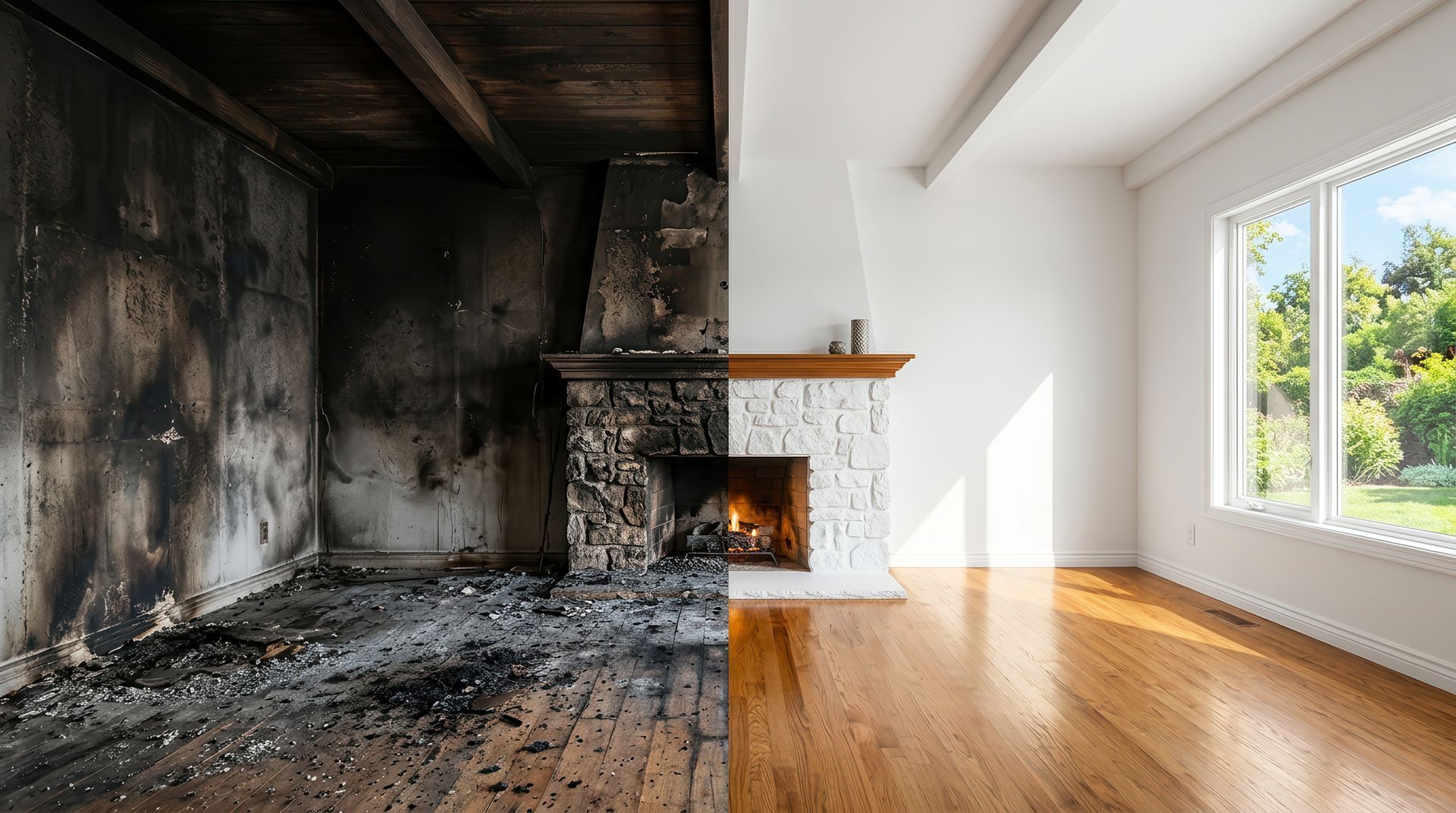
Painting over smoke-stained surfaces or wiping walls without residue-type treatment seals contaminants inside porous material rather than removing them. Paint films applied over soot fail to permanently encapsulate odour compounds, and the smell and health hazard resurface over months as humidity and airflow conditions change. This is one of the most consistent failure patterns in undercredentialed fire damage work.
Fires involving synthetic materials produce chemical residues that require specific treatment protocols and licensed disposal pathways. Property owners and general cleaning contractors are not equipped with the residue-identification capability, chemistry knowledge, or regulatory authorisation to handle these materials properly.
This is why licensed fire damage restoration in St. Louis requires a contractor who can identify what the fire left behind at the chemistry level, not only treat what it burned at the surface level.
Licensed, Bonded, and Experienced in Fire Damage Restoration
Earths Solutions Environmental Services LLC holds active environmental contractor licenses in both Missouri and Illinois. The business is fully bonded and has been completing fire damage restoration and environmental remediation projects across the St. Louis metro area since 2013. Founder Aree Riley brings over 20 years of hands-on field experience in residential and commercial environmental work.
Licensed in MO & IL
Active environmental contractor licenses in both states, covering fire damage restoration, asbestos abatement, and lead work, dual-state reach for St. Louis metro and Metro East properties.
Operating Since 2013
Over a decade of fire damage restoration and environmental remediation projects completed in the St. Louis metro, St. Louis County, and southwestern Illinois communities.
20+ Years Field Experience
Aree Riley founded Earths Solutions with more than 20 years of prior hands-on environmental services experience across residential and commercial properties in the St. Louis region.
Fully Bonded
Complete bonding coverage for all fire damage restoration and environmental remediation work, residential and commercial, across the full service area in Missouri and Illinois.
You have to know what is in the walls and the structure before the first wall comes down. Chemical residue identification, a written scope, and clearance testing are the difference between a completed job and a call-back. We do not skip that step.
— Aree Riley, Owner, Earths Solutions Environmental Services LLC
Fire Damage Restoration; Your Questions Answered
Does homeowner's insurance typically cover fire damage restoration?
Most homeowner's insurance policies cover fire damage restoration, including structural repairs and smoke remediation, subject to policy limits and exclusions. We document every phase of the project, scope, photographs, and completion records, in the format insurance adjusters need to review and process a fire damage claim accurately.
How long does fire damage restoration take?
Timeline depends on smoke penetration depth, structural damage extent, and the number of affected systems. A single-room residential fire typically runs one to three weeks. Larger fires involving multiple rooms or structural elements can take four to eight weeks or more. We provide a written timeline before work begins.
Can residents stay in the property during restoration?
In most cases, no. Active restoration involves hazardous residue removal, structural disturbance, and air quality conditions that are not safe for occupants. The required displacement period is confirmed in writing before the project starts, based on the specific scope, so you can make the right arrangements.
What does the free on-site assessment cover?
The assessment covers the full property, not only the visible burn area. We walk every room, check smoke penetration routes including HVAC systems and wall cavities, and document structural conditions. You receive a plain-language written scope of what restoration involves before any cost or contract is discussed.
Do pre-1980 properties need asbestos or lead testing before fire restoration begins?
Yes. Fire damage that disturbs walls, ceilings, or pipe insulation in older St. Louis buildings can expose asbestos-containing materials or lead paint. We assess for regulated hazards during the initial walkthrough and handle abatement within the same project scope where needed, no separate contractor required.
Why Licensing Matters for Fire Damage Work
Restoration that involves toxic soot, asbestos disturbed by fire, or lead paint on charred surfaces requires a licensed environmental contractor. General cleaning services are not equipped with the residue identification capability, chemical treatment knowledge, or licensed disposal pathway that fire damage work demands.
Earths Solutions Environmental Services LLC holds active licenses in Missouri and Illinois and has been completing fire damage restoration projects in the St. Louis metro since 2013. Monday through Friday, 7:00 AM to 5:30 PM.
Thanks. We'll be in touch soon.
Schedule Your Free Fire Damage Assessment
Fire damage does not stabilise on its own. Smoke residue continues to react with humidity and airborne oxygen, and soot compounds that go untreated degrade surface materials over time. The sooner an assessment happens, the clearer the scope, and the lower the total cost of getting the property back to a safe condition.
Earths Solutions Environmental serves St. Louis City, St. Louis County, and communities across Missouri and Illinois. We are available Monday through Friday, 7:00 AM to 5:30 PM.